
Rising Flood Risk in Missouri
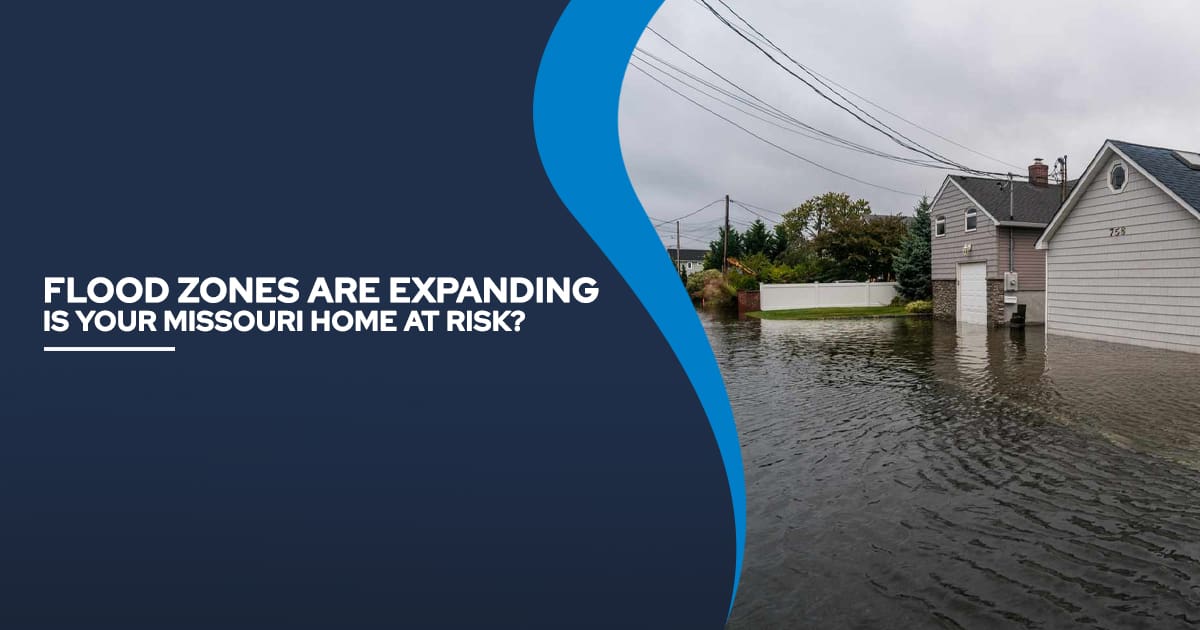
Mid-2025 saw extraordinary rainfall in the Midwest. In July, Kansas City received an astonishing 4–6 weeks’ worth of rain in just 12 hours. Forecasters described that event as roughly a “1 in 500-year” storm. This fits a broader national trend: heavy downpours and flash floods have become more frequent as weather patterns intensify. For Missouri homeowners in low-lying areas (river basins and valleys), these developments have likely expanded the zones at risk of flooding.
Updated Flood Maps
National flood maps are periodically revised to incorporate new data on weather and land changes. For example, a June 2025 report noted FEMA’s flood insurance rate maps are updated roughly every five years to reflect shifts in risk. Recent updates in one city (Richmond, VA) placed about 180 structures into a high-risk flood zone. In Missouri, a similar revision could recategorize properties near the Mississippi, Missouri, or other river floodplains. Any home newly mapped into a FEMA-designated Special Flood Hazard Area would then trigger federal rules: lenders won’t issue government-backed mortgages unless that property carries flood insurance. In practical terms, this means more Missouri homeowners who weren’t previously required to have flood coverage might suddenly need policies if maps change.
Mapping Gaps and Local Lessons
Authorities caution that even updated maps can miss emerging risk. An Associated Press investigation of recent Michigan floods found thousands of homes were devastated even though they weren’t on the official flood zone maps. In many cases, residents “had no idea they were at risk” because traditional floodplain maps hadn’t kept up with heavier rains. The lesson for Missouri: homes in historically flooded or upstream areas should be aware that official floodplain boundaries may understate real risk. (For context, FEMA’s standard “100-year flood zone” is defined as areas with a 1% chance of flooding each year.) If extreme storms hit outside those lines, nearby properties could still flood unexpectedly.
Insurance Program Status
At the same time, federal flood insurance policy is in flux. In late September 2025, news outlets reported that the National Flood Insurance Program (NFIP) authorization was set to expire on Sept 30, 2025. The NFIP is the main source of affordable flood insurance and is required for mortgages in high-risk zones. If Congress did not renew the program, new NFIP policies would be put on hold. This uncertainty could affect Missouri buyers and sellers: federal law bars federally-backed mortgages in flood-prone zones without insurance. In practical terms, if NFIP funding ever lapses, homeowners might have to turn to private insurers or delay closings in newly mapped flood areas.
Implications for Homeowners and SBInsure’s Role
Taken together, these trends mean Missouri homeowners in flood-prone regions may face new decisions. Expanded flood zones could mean mandatory coverage if you have a loan, and even for other owners it’s wise to check policies. SBInsure recommends that affected homeowners immediately review their flood insurance whenever FEMA announces map updates or significant storms occur. A proactive coverage review can yield efficiency and cost savings: for instance, adjusting your policy limits or deductible to match the new risk can avoid overpaying. SBInsure’s local expertise provides a competitive advantage here – by continuously monitoring local flood data and insurance rule changes, the agency can quickly shop for the most cost-effective policy when risks shift. For example, if a customer’s home enters a higher-risk category, SBInsure can compare NFIP and private rates or check for available premium discounts (some communities’ flood-management programs can lower insurance costs). This tailored approach not only helps keep clients protected, but often saves them money compared to waiting until a last-minute scramble.
Looking Ahead
As the situation evolves, Missouri homeowners should stay informed about local FEMA mapping decisions and the status of federal flood insurance. Watch for official announcements (e.g. new FIRMs or Congressional action on the NFIP). For example, the expansive storms of spring 2025 had already prompted multiple FEMA disaster declarations in Missouri (approved May 2025). That same month, federal officials pledged to expedite relief for Missouri after mid-March flooding – a sign that significant flood events are driving policy attention. In practice, an owner whose property is newly designated at risk “could” be required to buy insurance; if it is required, missing coverage might delay lending or sales.
Homeowners should talk with their insurance agent about these developments. SBInsure will continue to track rainfall trends and policy changes, and is ready to help clients interpret them. The bottom line: expanding flood zones mean that more homes could face flood risk than before. By reviewing coverage now and staying alert to FEMA’s updates, Missouri residents can make informed decisions – ensuring their homes are protected without paying a cent more than necessary. (SBInsure is available to discuss options or clarify how upcoming changes could affect your coverage.)
Sources
Recent weather and insurance reports (e.g. AP News, Time, Axios) have documented these trends and SBInsure is advising clients on the implications. Each household should consult authoritative updates for the latest details.


